
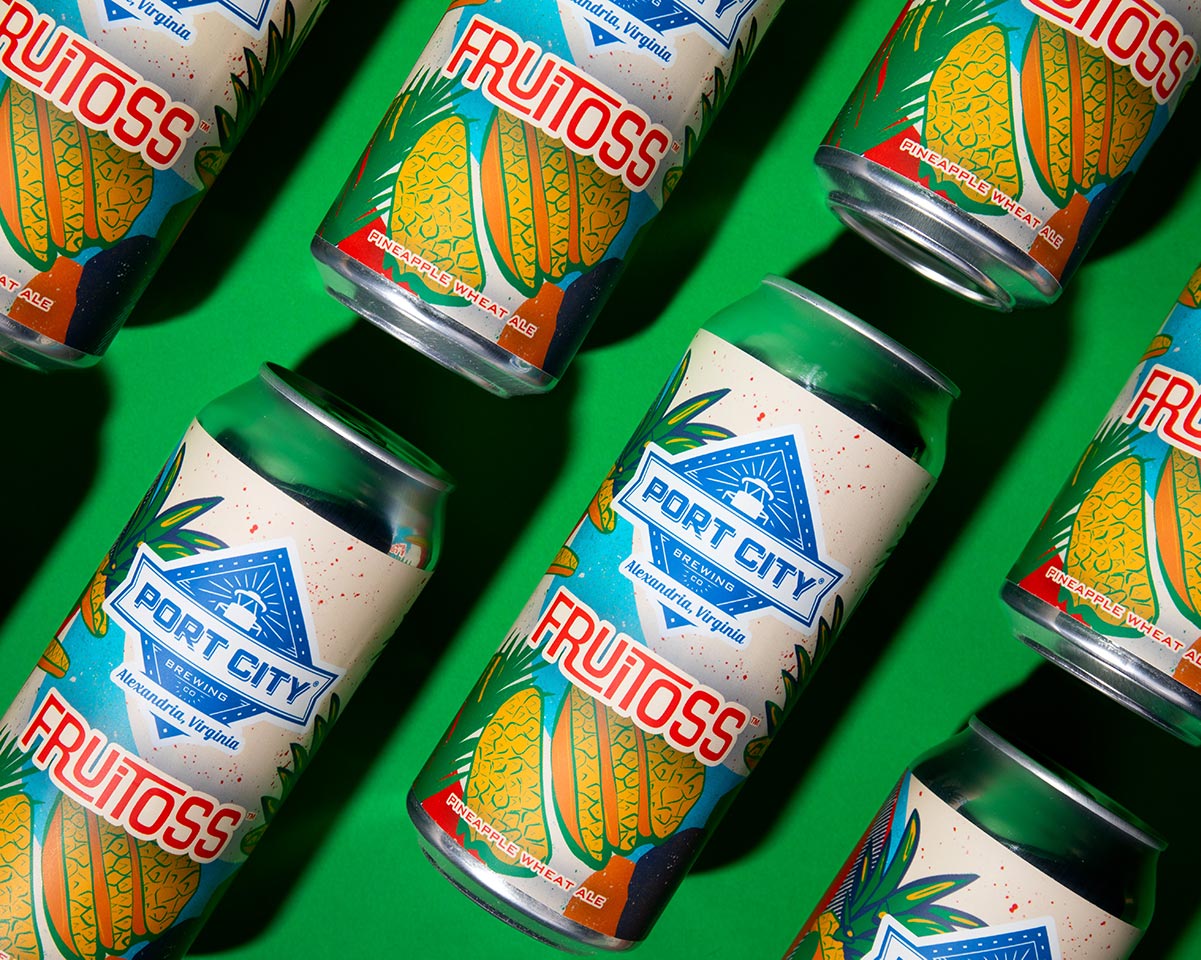

Product photography trends in 2025 are evolving faster than ever, and businesses that want to stand out need more than a smartphone camera. Professional product photography is no longer a luxury; it is an essential investment. From AI-assisted editing to 3D/AR visualizations, from bold lighting to shoppable video, the complexity of today’s visual content demands the expertise of a skilled photographer. With the right professional behind the lens, brands can capture not only stunning images but also visuals that drive conversions, enhance credibility, and resonate across multiple platforms.
1) AI Moves from Editing to Production—but Professionals Keep It Authentic
Artificial intelligence is reshaping product photography workflows. Tools such as Depositphotos’ commercially safe AI generator allow brands to experiment with backdrops and concept visuals without copyright risks (PetaPixel). Professionals are adopting AI to speed up set design and retouching, but their role remains crucial. Why? Because while AI can create a backdrop, it cannot replicate the nuanced lighting, authentic textures, and emotional resonance of a professionally staged photograph.
Forbes notes that AI is deeply influencing ecommerce, yet trust and brand integrity remain central to consumer behavior. A professional photographer ensures that AI tools complement, not compromise, your brand’s credibility.
Additionally, a skilled photographer knows when and how to integrate AI without sacrificing authenticity. For instance, AI might generate a scene concept, but only a professional can align that idea with your brand guidelines, adjust the lighting for realism, and capture high-resolution product details that AI often mishandles. Professionals bring creative judgment, technical expertise, and ethical standards, qualities that safeguard your brand from looking generic or artificial. In short, AI may assist, but professional product photography guarantees trust, consistency, and long-term value.
2) 3D, CGI, and AR Visualization Require Expert Integration
3D product models and AR try-ons are now mainstream. Shopify reports significant adoption of 3D ecommerce assets because they increase engagement and sales. Conversion rates jump dramatically when customers can interact with products in 3D or AR, as shown by BrandXR’s research.
However, creating high-quality 3D visuals still requires professional-grade lighting, styling, and photography to build the base assets. Professionals understand platform specifications, ensuring your product looks equally compelling on Shopify, Google Shopping, and even marketplaces with stricter limitations, such as Amazon (Photospherix). Without expert direction, 3D and AR visuals risk looking artificial or inconsistent.
3) Shoppable Video and Live Commerce Demand Professional Production
TikTok Shop, Instagram Shopping, and other platforms are fueling a video-first ecommerce culture. According to eMarketer, U.S. social commerce is projected to approach $90 billion in 2025, with TikTok as a primary driver. Successful campaigns require more than shaky phone footage.
Professional photographers who also specialize in video production can craft short, vertical clips that highlight textures, colors, and product benefits within the first few seconds. Case studies, such as QVC’s live-streaming initiative on TikTok (The Guardian), show how structured, well-lit visuals outperform amateur content. Hiring a professional ensures your product is not only seen but purchased.
4) Bold Lighting and Color Techniques Need a Skilled Eye
Hard light, colored gels, and vibrant set designs are trending in 2025. Photographers are embracing dramatic shadows, bold backgrounds, and textural effects to cut through endless social feeds (PetaPixel). Professional control of lighting is critical here. Without expertise, bold lighting can look harsh or unflattering; with the right photographer, it becomes a brand asset.
Food and beverage photography in particular benefits from a professional’s ability to highlight details that trigger appetite appeal. As PetaPixel notes, meticulous lighting is what transforms a simple dish into an irresistible visual.
5) Elevated UGC Still Needs Professional Direction
Authenticity sells, and user-generated content (UGC) remains powerful. Yet in 2025, the strongest brands merge UGC with professional oversight. Zenfolio’s 2025 industry survey (via PetaPixel) shows that even pros are now integrating smartphone captures into their workflow, proving that authenticity and quality can coexist.
A professional photographer helps guide UGC contributors with brand standards, lighting tips, and color palettes, ensuring that what customers post reflects positively on the brand.
6) Sustainability Storytelling Requires Professional Styling
Today’s buyers care about packaging and eco-practices. Forbes highlights the increasing push for sustainable packaging and transparency. Similarly, Food & Wine reports on the rise of scannable packaging that links to sourcing and recycling details.
Professional photographers can showcase eco-friendly packaging through thoughtful styling, using natural textures, recycled materials, and lighting that emphasizes sustainability. Without professional execution, these brand values may get lost or appear as an afterthought.
Moreover, professionals know how to balance aesthetics with storytelling. A skilled photographer can highlight the grain of recycled cardboard, the elegance of minimalist design, or the detail of a scannable QR code in ways that feel aspirational rather than utilitarian. By carefully controlling composition and lighting, professionals elevate sustainable packaging into a competitive advantage, helping brands visually communicate responsibility while still appealing to consumer desires for beauty and quality.
7) Richer PDPs Rely on Professional Consistency
Consumers expect more than one photo. Shopify emphasizes that multiple images, 3D models, and videos are now the norm on product detail pages. Delivering consistent quality across these assets is no small feat. Professional photographers ensure color consistency, scale accuracy, and a cohesive look across all product angles. This level of consistency builds trust and reduces returns, a win for both customer and brand.
Beyond consistency, professionals also bring efficiency and strategy to the process. They understand how to plan a shoot so that one session yields a complete suite of images: hero shots, lifestyle context, macro details, and even video snippets. This strategic approach saves brands both time and budget, while ensuring every piece of content aligns with the same visual language. Without a professional guiding the production, businesses risk ending up with mismatched visuals that confuse customers and weaken credibility.
8) Preparing for AI-Driven Search Starts with Professional Imagery
As Vogue Business points out, ecommerce is entering an AIO (AI Optimization) era where structured data and rich visuals determine discoverability. A professional photographer ensures that images come with correct metadata, descriptive alt text, and a visual narrative aligned with copy. This alignment makes your product easier for AI-driven search tools to recommend, ultimately driving higher visibility.
Local Takeaway: Why Long Beach Businesses Should Hire a Professional Photographer
For brands in Long Beach and LA County, the 2025 trends make one thing clear: professional product photography is essential. Whether it’s creating scroll-stopping TikTok clips, designing AR-ready visuals, or showcasing sustainable packaging, professionals ensure your images are consistent, credible, and conversion-ready. Investing in professional photography isn’t just about aesthetics, it’s about positioning your business for growth in a competitive marketplace.