
When you hire an event photographer, you are not just paying for someone to show up with a camera. You are investing in professional event photography, event photography services, visual storytelling, brand documentation, and polished images that help your event live beyond the day itself. For businesses in Long Beach, LA County, and Orange County, the right event photographer can capture the energy, professionalism, and personality of a gathering in a way that DIY phone photos rarely can.
Why an Event Photographer Matters More Than People Realize
Events move quickly. A speaker walks onstage. Guests begin networking. A sponsor activates a booth. A leader accepts an award. Meanwhile, the best moments often happen between the scheduled moments.
Because of that, professional event photography is about anticipation. It is about knowing where to stand, when to move, and how to capture the room without disrupting it. As PetaPixel explains in its event photography guidance, event photographers must understand their equipment deeply because there are no second chances once a moment passes.
That is one of the biggest differences between hiring a professional and relying on a staff member with a phone. A guest may take a nice snapshot. However, a professional event photographer is responsible for telling the complete story.
Additionally, high-quality event photos can support your website, social media, newsletters, PR, internal communications, sponsorship recaps, and future event promotion. Therefore, the photos are not simply memories. They become marketing assets.
What Happens Before the Event
A good event photographer begins working before guests arrive. In fact, the planning stage often determines the final quality of the gallery.
The Pre-Event Conversation
Before the event, your photographer should ask thoughtful questions. What is the purpose of the event? Who are the VIPs? Are there sponsors that need visibility? Will there be speakers, awards, panels, performances, or networking moments?
Likewise, the photographer should ask where the images will be used. A gallery for internal memories is different from a gallery for marketing. A corporate event may need polished speaker images, branded signage, networking photos, and sponsor coverage. A nonprofit gala may need emotional donor moments, guest reactions, and storytelling images.
As Cvent notes in its event photography tips, a shot list helps photographers capture the images clients are counting on while still leaving room for spontaneous moments. That balance matters. After all, the best event photography services combine preparation with instinct.
The Shot List
A shot list does not need to be complicated. However, it should include the essentials.
For example, a business event may need photos of the venue, registration area, signage, speakers, audience reactions, sponsor displays, leadership teams, candid networking, group photos, and closing moments. Meanwhile, a conference may also need breakout rooms, panel discussions, exhibitor booths, and attendee engagement.
In many cases, this simple planning step prevents missed opportunities. It also helps your event photographer understand your priorities. Consequently, the final gallery feels useful instead of random.
Venue Logistics and Access
A professional event photographer should also discuss access. Where can the photographer move during the program? Are there restricted areas? Will flash be allowed? Is there a stage wash, dark ballroom, LED screen, or mixed lighting?
This matters because venues are not always easy to photograph. Ballrooms can be dim. Conference centers can have overhead lighting. Outdoor events can shift from harsh sun to deep shade. Therefore, preparation helps the photographer avoid surprises.
For larger events, coordination becomes even more important. Princeton University’s event planning toolkit recommends coordinating photographers and videographers so they do not disrupt each other or the event itself. This is especially important when your event includes both photo and video coverage.
What to Expect on Event Day
On the day of the event, your photographer should arrive early. This gives them time to scout the location, test lighting, identify strong angles, and photograph details before the room fills.
Early Arrival and Room Coverage
Before guests arrive, the photographer can capture clean images of the space. These photos may include signage, centerpieces, sponsor displays, step-and-repeat backdrops, registration tables, branded materials, food stations, and room design.
These details matter because they show the effort behind the event. They also give planners, sponsors, and marketing teams useful content for future promotion. Additionally, they help tell the story from beginning to end.
According to Cvent’s event photography guide, arriving early allows photographers to check the venue layout, test lighting, and capture setup details before the event begins. For professional event photography, that early preparation often makes the final gallery stronger.
Candid Moments Without Disruption
Once guests arrive, the event photographer should blend in. A strong professional knows how to be close enough to capture emotion but respectful enough not to interrupt conversations.
This is where experience becomes visible. During networking, a beginner may photograph awkward half-smiles or people mid-bite. However, a seasoned photographer waits for natural expressions, engaged body language, and clean backgrounds.
Likewise, during a keynote or panel, the photographer should capture the speaker, the audience, the stage design, and the interaction between them. These images show scale and energy. They also help viewers understand what it felt like to be there.
As Fstoppers notes in its event photography discussion, strong event photographers read the room, follow the energy, anticipate smiles, and capture the peak of action. That skill is difficult to fake.
The Difference Between Coverage and Storytelling
Not all event photography services are equal. Some photographers simply document who attended. However, the best event photographer creates a visual narrative.
Wide, Medium, and Close-Up Images
A strong gallery usually includes a mix of wide, medium, and close-up images. Wide shots show the scale of the room. Medium shots show groups, speakers, and interactions. Close-up images show emotion, hands, details, awards, badges, signage, and branded materials.
Together, these images create a complete story. Without wide shots, the event can feel small. Without close-ups, it can feel impersonal. Without candid moments, it can feel staged.
Therefore, professional event photography should feel layered. It should show where the event happened, who attended, what mattered, and why the moment was worth remembering.
Brand-Consistent Photography
For businesses, visual consistency matters. A corporate event gallery should match the professionalism of the brand. Lighting, color, framing, and editing should feel polished.
This is why professional event photography is so valuable for companies. USC’s brand imagery guidelines describe photography as a major part of communication, alongside video, animation, writing, and design. That is a useful reminder for any organization. Your photos are not separate from your brand. They are part of how people understand it.
Similarly, California State University, Dominguez Hills’ photography standards note that photos used in communications should be brand-consistent, professional, relevant, and useful for both web and print. For businesses, the same principle applies.
What Professional Equipment and Experience Bring
A professional event photographer brings more than a camera. They bring lighting knowledge, fast lenses, backup gear, editing experience, people skills, and the ability to work under pressure.
Low-Light Skill
Many events happen in challenging light. Ballrooms, receptions, evening gatherings, theaters, and conference rooms can look beautiful in person but difficult on camera.
A phone may brighten the scene. However, it often creates blurry images, harsh flash, strange skin tones, or noisy files. A professional knows how to use available light, flash, camera settings, and editing to create clean images.
PetaPixel’s event photography advice emphasizes that event photographers often work in low light and must adapt quickly. That skill is especially important for corporate events, galas, awards ceremonies, and conferences.
Backup Plans
Professional event photography also requires backup planning. Cameras can fail. Batteries can die. Memory cards can malfunction. Lighting conditions can change.
Therefore, professionals usually bring extra cameras, lenses, flashes, batteries, cards, and other essentials. This is not overkill. It is risk management.
Professional organizations also recognize that photography is a business with real responsibilities. Professional Photographers of America discusses equipment protection, liability, data loss, and other risks photographers need to manage. Likewise, Hiscox notes that photographer liability coverage can relate to contracted services, equipment, property, and professional claims.
For clients, this means hiring a professional is not only about image quality. It is also about reliability.
What About Headshots at Events?
Many corporate events now include headshot stations. This can be a powerful addition, especially at conferences, trade shows, association meetings, and networking events.
Why Professional Headshot Photographers Matter
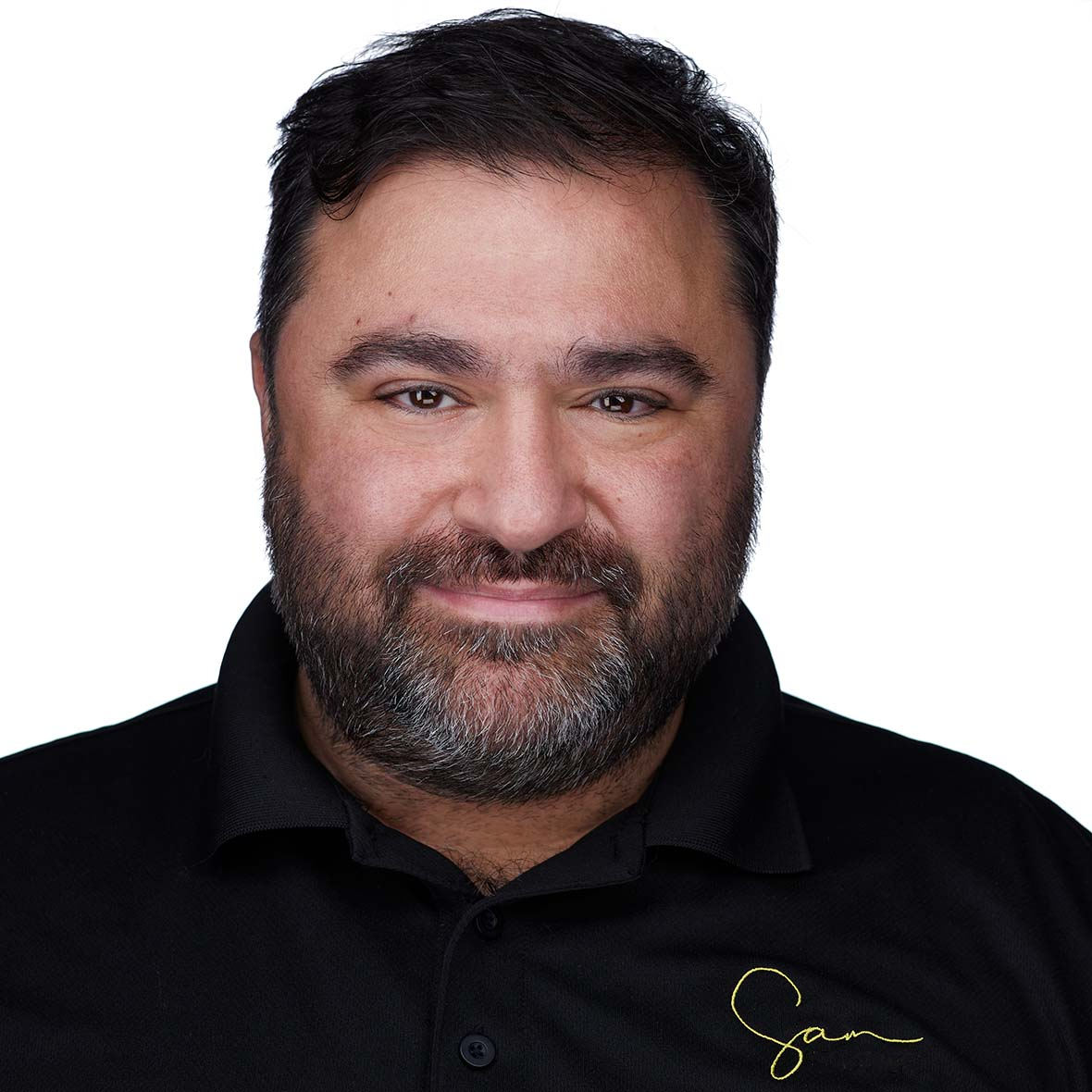
A professional headshot photographer brings a different level of lighting, posing, expression coaching, consistency, and efficiency. This matters because headshots are often used on LinkedIn, company websites, speaker bios, press releases, internal directories, and conference materials.
DIY headshots may seem convenient. However, inconsistent lighting, awkward posing, distracting backgrounds, and poor retouching can make a company look less polished. In contrast, professional headshot photographers create images that feel consistent and credible.
For event organizers, a headshot booth can also increase attendee engagement. People appreciate leaving an event with something valuable. Therefore, a professional headshot experience can become both a service and a marketing feature.
A Smart Add-On for Business Events
For companies in Long Beach, LA County, and Orange County, adding headshots to an event can create more value from the same gathering. Attendees are already dressed well. Leaders are already present. Teams are already together.
As a result, event photography services and professional headshots can work beautifully together. Sam Fatima Photos can help businesses document the event while also creating polished portraits for attendees or teams.
What Happens After the Event
The work does not end when the event closes. In many ways, the post-production stage is where the final polish happens.
Culling and Editing
After the event, the photographer reviews the images and selects the strongest ones. This process is called culling. It removes duplicates, missed focus, blinking expressions, awkward gestures, and weak frames.
Then the selected images are edited. Editing may include exposure adjustments, color correction, cropping, contrast, skin tone refinement, and overall consistency. The goal is not to make the event look fake. Instead, the goal is to make the photos look clean, professional, and true to the atmosphere.
For professional event photography, editing consistency is essential. A gallery should feel cohesive from beginning to end.
Delivery and Usage
Your photographer should also explain delivery. Will the images come through an online gallery? Can the client download high-resolution files? Are web-size versions included? What is the turnaround time? Are there usage rights for marketing?
These questions should be answered before the event. That way, your team knows what to expect.
Additionally, organizers should think about photo use and guest awareness. Stanford’s event photography and video guidance notes that photography and video help share events with a wider audience, while also requiring attention to permissions, privacy, and disruption. Similarly, Princeton’s event planning guidance recommends making guests aware that photography may be used for promotional purposes.
How to Choose the Right Event Photographer
Choosing the right event photographer should not be based on price alone. Instead, look for experience, portfolio quality, communication, professionalism, and an understanding of business needs.
Review the Portfolio
A strong portfolio should show more than pretty images. Look for variety. Can the photographer handle dark rooms? Can they capture speakers well? Do the candid images feel natural? Are the colors consistent? Does the gallery show energy?
Also, review whether the photographer understands branding. A corporate event photographer should know how to photograph logos, signage, sponsors, leadership, and audience interaction without making everything look like an advertisement.
Ask About Process
Before booking, ask about planning, arrival time, shot lists, backup gear, delivery, editing, and turnaround. These questions reveal how the photographer works.
A good professional should answer clearly. They should also help you think through details you may have missed.
Consider Local Experience
Local experience helps. A Long Beach event photographer who understands the pace of Southern California business events can work efficiently across venues in Long Beach, LA County, and Orange County.
Additionally, local familiarity can help with traffic, parking, venue access, lighting expectations, and timing. These details may sound small. However, they can affect the smoothness of the day.
Why DIY Photos Are Not Enough for Important Events
Phone photos have their place. They are useful for quick social updates and behind-the-scenes memories. However, they should not replace professional event photography for important business moments.
A phone cannot fully replace experience. It cannot anticipate the speaker’s best gesture. It cannot manage difficult ballroom lighting with the same control. It cannot create a polished gallery that supports marketing, PR, and brand trust.
More importantly, DIY coverage puts pressure on someone who should be participating in the event. If a team member is taking photos, they are not fully hosting, networking, managing guests, or enjoying the moment.
Therefore, hiring an event photographer gives your team freedom. It allows everyone to focus on the event while the visual story is handled professionally.
Working With Sam Fatima Photos
Sam Fatima Photos provides professional event photography services for businesses, organizations, conferences, private events, and brand gatherings in Long Beach, LA County, and Orange County. Whether you need a corporate event photographer, a Long Beach event photographer, conference coverage, candid event photos, or professional headshots during an event, the goal is always the same: create polished images that feel authentic, useful, and aligned with your brand.
Because every event is different, Sam Fatima Photos works with clients to understand the schedule, key moments, guest experience, and final use of the images. That planning helps create a gallery that serves your real marketing needs.
Final Thoughts: Your Event Deserves to Be Remembered Well
A successful event takes planning, budget, people, creativity, and trust. After all that effort, the photos should do more than prove the event happened. They should show why it mattered.
A professional event photographer captures the energy in the room, the relationships being built, the brand presence, the audience reactions, and the details your team worked hard to create. Additionally, professional event photography gives you a library of images you can use long after the event ends.
If you are planning an event in Long Beach, LA County, or Orange County, Sam Fatima Photos can help you create a polished visual record that supports your brand, your marketing, and your next big opportunity.
Contact Sam Fatima Photos today to discuss event photography services, conference coverage, corporate event photography, and professional headshot options for your next gathering.