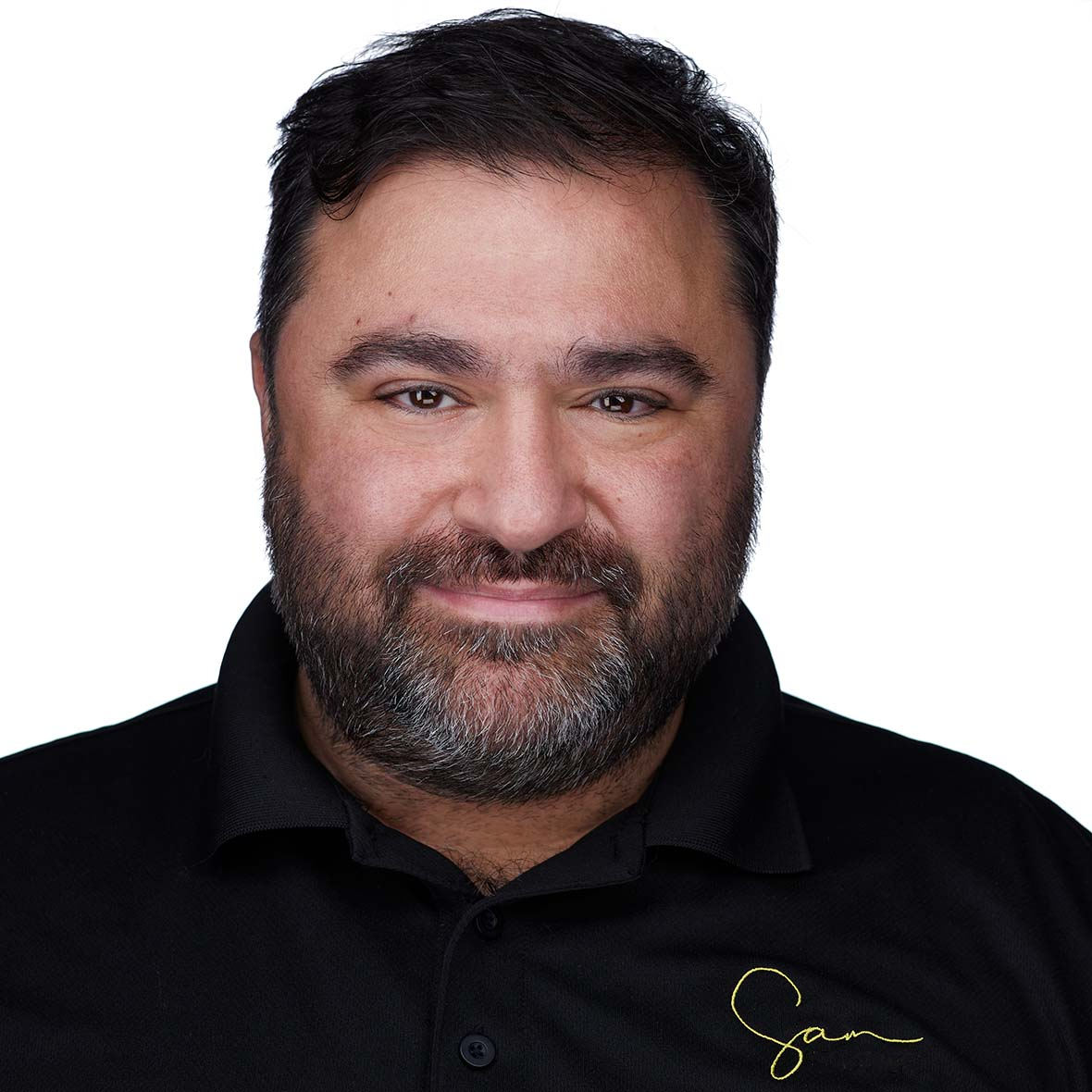
Anaheim Convention Center Photographer: Professional Event & Headshot Coverage
Choosing an Anaheim Convention Center photographer is about more than finding someone with a good camera. The right Anaheim event photographer must understand conferences, trade shows, corporate branding, fast schedules, and professional headshots. Likewise, an experienced Anaheim conference photographer should know how to document speakers, attendees, sponsors, exhibits, and networking without disrupting the event. For companies planning Orange County event photography, that combination can turn one busy convention into a strong library of marketing content.
Why Photography at the Anaheim Convention Center Requires Experience
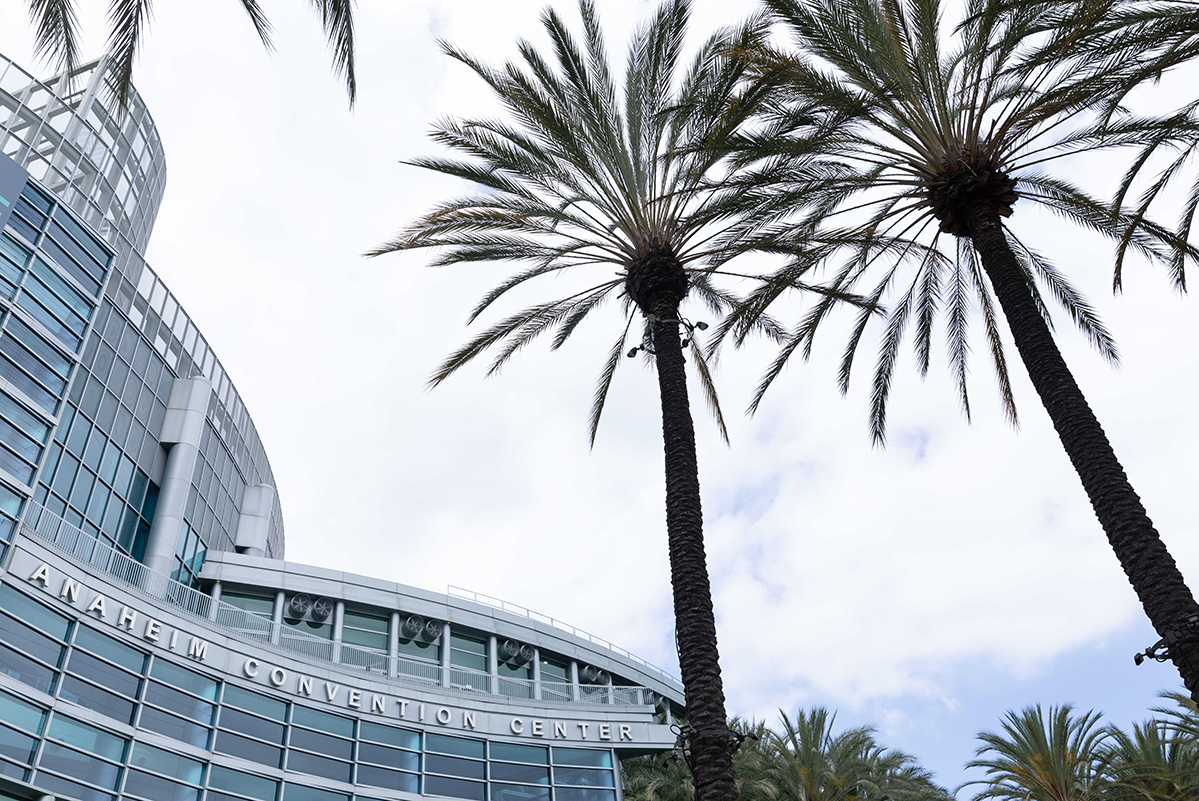
The Anaheim Convention Center is built for scale. According to Visit Anaheim’s 2026 planner overview, the venue offers more than 1.8 million square feet of event space. Additionally, more than 23,400 hotel rooms are located within two miles. As a result, that scale helps Anaheim support major conventions, trade shows, sports events, and corporate meetings. Visit Anaheim
However, a large venue also creates photographic challenges. For example, sessions may run at the same time. Exhibitors may need coverage in separate halls. Meanwhile, executives could be scheduled for portraits while a keynote is happening elsewhere.
Therefore, an Anaheim Convention Center photographer needs a plan before the first shutter click. The photographer should know the agenda, priority sessions, key people, sponsor requirements, and deliverables. Otherwise, important moments can disappear while the photographer is simply moving between locations.
Venue Size Changes the Photography Strategy
A conference gallery should show more than individual moments. Instead, it should explain the scale and atmosphere of the event.
First, wide images establish the environment. Next, medium shots show conversations and activity. Finally, close photographs reveal expressions, details, badges, products, and branding. Together, those perspectives help viewers understand what it felt like to attend.
Moreover, Adobe’s event photography guidance stresses preparation, planner communication, shot lists, backup equipment, and adaptability. Those practices become even more important inside a large convention campus. Adobe
Large Halls Demand Technical Flexibility
For example, convention lighting is rarely consistent. Meanwhile, a keynote stage may be bright while the audience remains dark. Similarly, exhibit booths can mix LEDs, video walls, spotlights, and overhead lighting.
PetaPixel’s guide to event photography notes that event photographers often work in low light and must adjust settings quickly. Consequently, professional equipment knowledge matters more than relying on automatic settings. PetaPixel
There Are No Second Chances With Live Moments
For example, a speaker’s strongest expression may last one second. Likewise, an award handoff happens once. Similarly, an executive greeting a major client cannot be recreated naturally.
For that reason, professional event photography depends on anticipation. The photographer must read body language, watch backgrounds, and stay ready before the moment peaks.
What an Anaheim Conference Photographer Should Capture
Strong conference coverage tells a complete story. Therefore, the photographer should not spend the entire day pointing a long lens at the stage.
An effective gallery begins with venue and branding images. Next, it should include registration, signage, booths, speakers, audience reactions, panels, demonstrations, awards, and networking. Additionally, detail images can document sponsor logos, products, printed materials, food displays, and production design.
Fstoppers’ corporate photography guidance highlights the value of photographing both atmosphere and people at business events. Accordingly, an Anaheim conference photographer should balance context with human interaction. Fstoppers
Keynotes, Panels, and Speaker Photography
Accordingly, speaker photographs need variety. For example, a useful set may include wide stage images, clean portraits at the lectern, expressive gestures, panel interactions, and audience reactions.
However, timing matters more than volume. In contrast, hundreds of nearly identical frames create extra editing without creating extra value. Instead, a professional photographer looks for expressions and gestures that communicate confidence, warmth, authority, or energy.
Likewise, backgrounds deserve attention. A strong speaker image should avoid awkward screen graphics, distracting stage equipment, or unflattering angles whenever possible.
Networking and Candid Conference Photography
Meanwhile, some of the most valuable images happen away from the stage. For example, handshakes, introductions, laughter, demonstrations, and small-group conversations show that people are participating.
Cvent’s event photography guide describes successful event photography as a combination of technical ability, artistic judgment, and people skills. Moreover, strong photographers anticipate moments instead of merely reacting after they happen. Cvent
As a result, candid photography should feel spontaneous but still intentional. Good candids show genuine interaction while maintaining strong composition and flattering timing.
Trade Show and Exhibitor Photography
By comparison, exhibitors often need a different type of coverage. For example, their priority may include booth traffic, product demonstrations, executive interactions, lead-generation activity, and branded displays.
Therefore, an Anaheim event photographer should ask how the company plans to use the images. A sponsor recap needs different photographs from a recruitment campaign. Likewise, a product launch requires different framing from a corporate culture gallery.
When those goals are clear, the photographer can capture images that support measurable business needs.
Professional Headshots Add Value to Anaheim Conventions
A professional headshot station can become one of the most useful attendee benefits at a conference. Instead of giving visitors another disposable promotional item, a company can give them an image they may use for years.
That matters because professional identity is increasingly visual. Princeton University research on first impressions found that people can form trait impressions from a face after only 100 milliseconds of exposure. Therefore, a business portrait can influence an initial perception before a conversation begins. Princeton University
LinkedIn’s professional profile photo guidance has also reported that simply having a profile picture can make a profile substantially more likely to be viewed. Additionally, LinkedIn notes that a recent professional headshot is often a strong choice because a photographer can control flattering lighting and presentation. LinkedIn
Consequently, hiring an Anaheim Convention Center photographer with headshot experience can create two forms of value. The event gains professional coverage, while attendees gain polished personal-branding assets.
Why a Professional Headshot Photographer Beats a DIY Station
Admittedly, a phone camera can make an acceptable picture in ideal conditions. However, an event headshot experience has a higher standard.
By comparison, professional headshot photographers control lighting, camera position, focal length, background, expression, and posing. Additionally, they can make small adjustments quickly for different faces, heights, glasses, hairstyles, and clothing.
Forbes has emphasized the role professional headshots play in digital first impressions and professional credibility. Therefore, a corporate headshot booth should look like a professional service, not an improvised selfie corner. Forbes
Moreover, expression coaching is difficult to automate. A skilled photographer can notice tension around the eyes, awkward posture, or a forced smile. Then, the photographer can guide the person toward a more confident and natural expression.
That human direction is important. People rarely see themselves exactly as a photographer sees them through the camera.
Consequently, professional headshot photographers can make tiny adjustments that produce noticeably stronger portraits. A slight change in chin position may improve a jawline. Similarly, adjusting the shoulders can make posture appear more confident.
DIY stations generally cannot provide that level of individual attention.
Consistency Matters When Hundreds of People Participate
Likewise, a busy convention headshot station needs more than a camera and backdrop. Therefore, it needs a repeatable workflow.
Professional Photographers of America recently highlighted systems, organization, and client experience as essential considerations for large corporate headshot assignments. Accordingly, queue management, file naming, image selection, lighting consistency, and delivery should be planned before the event opens. PPA
As a result, a well-run station also protects the attendee experience. People should know where to stand, what to expect, and how they will receive their image.
The Best Booth Feels Simple Because the Workflow Is Not
Behind a smooth headshot activation is careful technical planning. Lighting must stay consistent. Files must be matched correctly. Additionally, the team must keep the line moving without making people feel rushed.
Depending on the event, organizers may also want branded backgrounds, sponsor signage, immediate image selection, digital delivery, or lead-capture integration.
Therefore, those requirements should be discussed before the conference. A professional photographer can then design the photography workflow around attendee volume and sponsor goals.
That is another reason professional headshot photographers are worth the investment. The visible experience may last minutes, yet the planning supports every portrait.
Event Photography Becomes Marketing Content After the Conference
The value of an Anaheim Convention Center photographer continues after the final session ends. In fact, professional images can support months of marketing.
For example, conference photos can be used for recap pages, press releases, email campaigns, social posts, sponsorship reports, speaker promotions, recruitment, sales materials, and next year’s registration campaign. Therefore, photography should be treated as a content asset rather than a simple event record.
PCMA recommends repurposing event content to build awareness and reach future attendees. The same guidance explains how on-site photo experiences can encourage attendees to create and share content through their own networks. PCMA
Meanwhile, PCMA’s 2026 conference-content guidance describes capture and amplification as an important stage within the attendee-content journey. Consequently, photography should be planned with post-event communication in mind. PCMA
In addition, that effect is especially useful for a headshot booth. Attendees often want to share a new professional portrait because the image has direct personal value.
Consequently, a sponsored headshot experience can continue generating visibility after the booth closes.
Authentic Images Usually Work Harder Than Generic Visuals
Moreover, real event photographs also help organizations show actual people and genuine experiences.
Research from Nielsen Norman Group on web imagery found that users pay attention to photographs carrying meaningful information, especially photos of real people. In contrast, purely decorative imagery is more likely to be ignored. Nielsen Norman Group
Therefore, authentic conference photography can support website credibility and brand storytelling. In contrast, a stock image cannot show your actual leadership team, your real customers, or your event’s energy.
Similarly, staged marketing images cannot fully replace genuine attendee interaction. Professional event photography preserves those moments while keeping the presentation polished.
Photography Needs Differ for Organizers, Exhibitors, and Associations
Not every client needs the same coverage. Consequently, the photography plan should match the organization’s role at the event.
For example, event organizers usually need a complete visual record. Their coverage may include venue atmosphere, keynotes, breakouts, sponsors, exhibitors, networking, awards, and social content.
By comparison, exhibitors often need concentrated booth coverage. Meanwhile, their priorities may include executives, customers, demonstrations, products, signage, and lead-generation activity.
Associations may place greater emphasis on members, speakers, leadership, education, and community. Likewise, corporations may prioritize executives, employees, clients, and brand consistency.
An experienced Anaheim event photographer should identify those differences early. Therefore, Orange County event photography becomes more useful when the coverage plan reflects the client’s exact role.
That preparation prevents the gallery from becoming generic.
How to Plan Photography at the Anaheim Convention Center
For Orange County event photography, the best results begin before event day. Therefore, planners should involve the photographer while schedules and access details are still being finalized.
First, share the event agenda and identify essential sessions. Next, provide a list of executives, speakers, sponsors, award recipients, and VIPs. Moreover, discuss image delivery deadlines and the marketing channels that will use the files.
Additionally, venue access should be confirmed. The Anaheim Convention Center maintains dedicated guidance for productions and directs filming inquiries through its booking department. Accordingly, organizers planning specialized commercial filming should verify current venue requirements in advance through the Anaheim Convention Center’s filming information. Visit Anaheim
Build the Shot List Around Business Priorities
Similarly, a shot list should guide coverage without becoming a rigid checklist.
Adobe’s event photography recommendations make a similar point. Planned photographs matter, but photographers must continue watching for unplanned moments that may prove more memorable. Adobe
Therefore, prioritize outcomes rather than listing dozens of repetitive frames. A planner may need proof of sponsor visibility, strong attendance, executive participation, and engaged audiences.
The photographer can then translate those goals into visual coverage.
Decide How Fast Images Are Needed
Likewise, turnaround should match the event’s communication plan. For example, a communications team may need a small group of edited images during the conference.
Those photographs can support LinkedIn posts, media releases, Instagram updates, sponsor communications, and internal newsletters while the event is still happening.
Meanwhile, the full gallery can arrive later after careful selection and consistent editing. This approach gives social teams speed without sacrificing overall quality.
If same-day delivery matters, it should be discussed before the event. Consequently, the photographer can plan staffing, editing, file transfer, and on-site workspace around that requirement.
How to Choose an Anaheim Convention Center Photographer
Certainly, portfolio quality matters, but experience matters too. Therefore, planners should look for photographers who can demonstrate conference, corporate, trade show, and professional headshot work.
Moreover, a strong candidate should understand fast schedules, mixed lighting, unobtrusive movement, executive interaction, and brand-sensitive image selection. Additionally, backup equipment and a clear file-management process should be standard.
Before hiring, useful questions include:
- How many conferences and corporate events have you photographed?
- Do you have backup cameras, lenses, flashes, batteries, and storage?
- Can you provide professional conference headshots?
- How quickly can edited photographs be delivered?
- Can you provide same-day selects when required?
- How do you identify executives, VIPs, sponsors, and priority moments?
- Can you staff simultaneous sessions if our schedule requires it?
- What usage rights are included with the finished images?
Those questions reveal far more than asking what camera the photographer uses.
Look for Headshot Expertise, Not Just Event Experience
Although event photography and headshot photography overlap, they are not identical. Therefore, a photographer offering a headshot booth should show strong portrait work as well.
In particular, the best headshot photographers understand expression, posing, facial angles, and consistent lighting. They also know how to coach nervous people quickly.
That becomes important at conferences because attendees may have only a few minutes available. Nevertheless, speed should not mean producing generic portraits.
Instead, an experienced professional can create an efficient process while still making the person feel comfortable.
For a conference activation, that combination is especially important. A fast photographer is not enough if attendees dislike their portraits.
Ask How the Photographer Will Keep the Experience Consistent
For example, consistency should cover lighting, composition, crop, retouching, and delivery. Moreover, the workflow should still accommodate individual differences.
A professional headshot photographer should be able to explain that system clearly. If the plan depends entirely on improvisation, a high-volume booth can become inconsistent very quickly.
Choose for Reliability as Well as Style
Ultimately, conference photography is a live service. Reliability, preparation, communication, and judgment matter as much as visual style.
Certainly, an impressive portfolio is valuable. However, the photographer must also deliver under real event conditions.
Your keynote cannot be repeated because a memory card failed. Likewise, an award presentation cannot wait while someone searches for another battery.
Professional photographers prepare for those possibilities before arriving.
Local Anaheim Photography Support Across Orange County and Los Angeles
For example, hiring a Southern California photographer can simplify planning for teams traveling into Anaheim. The photographer can coordinate locally while the client focuses on speakers, exhibitors, sponsors, and attendees.
Sam Fatima Photos provides professional event and headshot photography for clients in Orange County, Long Beach, and LA County. Accordingly, the team can support conferences in Anaheim while also serving organizations with events elsewhere across the region.
For companies searching for an Anaheim conference photographer or Anaheim event photographer, that regional coverage can be useful when the same brand has meetings in several Southern California cities.
Likewise, Orange County event photography may need to connect visually with headshots or event coverage created in Long Beach or LA County. For multi-event brands, Orange County event photography also benefits from consistent color, cropping, and retouching standards.
Therefore, a consistent photography partner can help keep those images aligned. As a result, websites, press releases, executive bios, and marketing materials feel more cohesive.
Turn Your Anaheim Convention Into a Stronger Visual Story
At the same time, the Anaheim Convention Center can host enormous amounts of activity in a single day. Therefore, the photographer’s job is not simply to record what happened.
A skilled Anaheim Convention Center photographer identifies the moments that will still matter after the event. An experienced Anaheim event photographer also understands how to represent sponsors, speakers, executives, and attendees professionally.
Meanwhile, an Anaheim conference photographer with headshot expertise can create lasting value for participants through polished portraits.
Most importantly, professional photography gives your organization controlled, credible, reusable visual content. DIY coverage may capture isolated moments, but it rarely provides the consistency, timing, lighting, workflow, and brand awareness required for a major corporate event.
If you are planning a conference, trade show, corporate meeting, exhibitor activation, or headshot booth in Anaheim, contact Sam Fatima Photos to discuss professional coverage. We serve Orange County, Long Beach, and LA County, and we can build a photography plan around your schedule, brand priorities, speakers, sponsors, headshot needs, and delivery deadlines.