Hiring a Los Angeles corporate event photographer involves much more than finding someone with an impressive camera and an attractive portfolio. A skilled corporate photographer in Los Angeles should understand event schedules, executive photography, candid storytelling, branding, difficult lighting, professional headshots, and fast image delivery. Moreover, professional event photography should give your company photographs that remain useful well after the event ends. Whether you are organizing a conference in Downtown Los Angeles, a corporate meeting in Long Beach, or a convention in Orange County, choosing the right photographer can significantly affect how the event is remembered and marketed.
Corporate events move quickly. A keynote address cannot simply be repeated because the photographer missed the best expression. Likewise, an executive handshake, award presentation, audience reaction, or spontaneous networking moment may last only seconds.
Therefore, experience matters.
Adobe’s guide to event photography describes event photographers as visual documentarians. Adobe also emphasizes preparation, research, communication with organizers, and the ability to anticipate unexpected moments.
Those qualities should form the foundation of your search for a Los Angeles corporate event photographer.
Why Professional Corporate Event Photography Matters
A corporate event may last only one afternoon. However, the photographs can support your organization for months or even years.
Companies regularly reuse professional event photography for:
-
corporate websites
-
LinkedIn posts
-
press releases
-
social media
-
newsletters
-
annual reports
-
advertising campaigns
-
speaker profiles
-
recruiting materials
-
sponsor reports
-
internal communications
-
conference registration pages
-
sales presentations
-
Google Business Profile updates
Consequently, event photography should be viewed as content creation rather than simple documentation.
A recent Forbes Business Council article discussing professional photography and video in modern marketing argues that custom photography gives companies greater control over their visual storytelling while showing actual employees, products, and operations.
That distinction is particularly important at corporate events.
Your conference already contains real executives, employees, customers, speakers, and partners. Therefore, the photographer has an opportunity to create an authentic visual library instead of relying on generic stock photography later.
Real People Make Stronger Corporate Images
People often respond differently to authentic photography than decorative imagery.
Nielsen Norman Group’s research into how people view photographs online found that users tend to pay attention to images containing relevant information, particularly photographs of real people. Meanwhile, generic decorative images are frequently ignored.
Therefore, photographs from a real corporate event can become valuable marketing assets.
A picture of your actual leadership team has meaning.
Likewise, photographs showing your employees collaborating, customers interacting with your company, or attendees participating in a conference communicate something genuine about your organization.
Professional event photography makes those moments usable.
What Should a Los Angeles Corporate Event Photographer Capture?
An effective event gallery should tell a complete story.
Therefore, avoid judging portfolios solely by dramatic keynote photographs or perfectly posed groups.
A professional photographer should create variety.
PetaPixel’s event photography shot guide identifies six useful categories: establishing photographs, close candids, candid interactions, posed photographs, portraits, and detail photographs.
Those categories translate particularly well to corporate event photography in Los Angeles.
Establishing Images Show the Scale
First, the photographer should capture the environment.
Wide photographs might show:
-
a packed ballroom
-
an exhibition floor
-
the conference stage
-
sponsor displays
-
registration areas
-
dining spaces
-
rooftop receptions
-
outdoor gatherings
-
branded installations
These images establish scale.
Moreover, they help potential attendees understand what your event actually feels like.
An event organizer promoting next year’s conference can say that hundreds of professionals attended.
However, one excellent wide photograph can communicate that immediately.
Speaker Photography Requires Excellent Timing
Keynote photography looks easy until someone tries doing it professionally.
People make countless expressions while speaking. Some occur between words and are unflattering.
Therefore, photographers must anticipate expression, gestures, and movement.
Fstoppers’ article on essential corporate photography shots recommends photographing presenters from multiple angles while creating both vertical and horizontal compositions.
That variety is extremely useful.
Horizontal photographs may work for a website banner.
Meanwhile, vertical photographs work better for Instagram Stories, Reels covers, speaker profiles, and mobile campaigns.
Therefore, your photographer should think beyond simply recording the person standing onstage.
Networking Photography Shows the Human Side
Some of the most valuable event photographs happen away from the microphone.
People meet clients.
Colleagues reconnect.
Business cards change hands.
Customers interact with employees.
Furthermore, attendees often form relationships during receptions, coffee breaks, lunches, and exhibitor sessions.
Professional event photography should capture those interactions naturally.
Strong candid photography makes an event look active rather than staged.
Moreover, it provides marketing teams with photographs that visually demonstrate community and engagement.
Look for Corporate Experience, Not Just Pretty Photos
A beautiful portfolio does not necessarily demonstrate corporate event experience.
Therefore, ask photographers to show relevant galleries.
Look specifically for:
-
corporate conferences
-
conventions
-
trade shows
-
networking events
-
leadership meetings
-
panel discussions
-
awards ceremonies
-
company celebrations
-
business receptions
-
executive portraits
-
professional headshots
Then look beyond individual images.
Is the entire gallery consistent?
Can the photographer handle both a brightly illuminated stage and a dark ballroom?
Can they photograph executives without making them uncomfortable?
Do candid images feel natural?
Are backgrounds clean?
Are skin tones consistent?
Moreover, can the photographer create flattering portraits quickly?
Those questions reveal much more than one hero image on a homepage.
Difficult Lighting Is Normal at Corporate Events
Corporate venues frequently combine several types of lighting.
For example, a stage may use strong blue LED lights while an audience sits in near darkness.
Meanwhile, projection screens may be extremely bright.
Reception spaces can present another challenge because decorative lighting often mixes warm and cool color temperatures.
Consequently, photographers must understand exposure, flash, white balance, shutter speed, lens selection, and available light.
Johns Hopkins University offers an excellent example through its photography and videography brand guidelines. The university recommends high-resolution photography for public-facing marketing materials and suggests using professional photographers when appropriate. It also encourages authentic interactions, varied compositions, and subtle inclusion of branding.
Those principles apply equally well to corporate organizations.
Professional event photography should look polished while still feeling real.
Your Photographer Should Understand Your Brand
Every corporate event should not look the same.
A law firm may want refined, understated coverage.
Conversely, a technology company may prefer energetic images showing innovation and collaboration.
Healthcare organizations might prioritize warmth and trust.
Meanwhile, luxury brands may focus heavily on atmosphere, design, guest experience, and details.
Therefore, discuss visual expectations before the event.
Send your photographer:
-
brand guidelines
-
marketing examples
-
previous event galleries
-
priority images
-
event themes
-
sponsor requirements
-
social media needs
-
executive lists
Additionally, explain where the photographs will appear.
A photographer creating images primarily for LinkedIn may approach compositions differently from one producing photographs for advertisements and large website banners.
Branding Should Be Visible Without Taking Over
Corporate events often involve important sponsor relationships.
Therefore, sponsor logos and branded installations should appear throughout the final gallery.
However, photographs should not become pictures of logos alone.
Strong corporate photography combines branding with human activity.
For example, photograph attendees speaking beside a sponsor activation.
Similarly, capture a speaker while the organization’s branding appears naturally on the presentation screen.
The result provides evidence of sponsorship exposure while preserving the human story.
Los Angeles Event Venues Require Advance Planning
Los Angeles corporate event photography can involve convention centers, hotels, studios, theaters, offices, restaurants, rooftops, universities, and outdoor spaces.
Consequently, photographers should receive schedules and venue information before arriving.
Large facilities can be especially challenging.
The Los Angeles Convention Center provides extensive event planning resources for organizers working with the facility.
For photographers, advance planning is equally important.
Imagine that the keynote ends at 11:00 a.m.
Meanwhile, an executive portrait session begins somewhere else at 11:05.
Without understanding the building and schedule beforehand, valuable coverage could be missed.
Therefore, provide:
-
room numbers
-
event maps
-
load-in instructions
-
parking information
-
credentials
-
speaker schedules
-
VIP names
-
photo restrictions
-
contact information
That preparation allows the photographer to concentrate on creating images rather than solving avoidable logistical problems.
Corporate Events in Long Beach
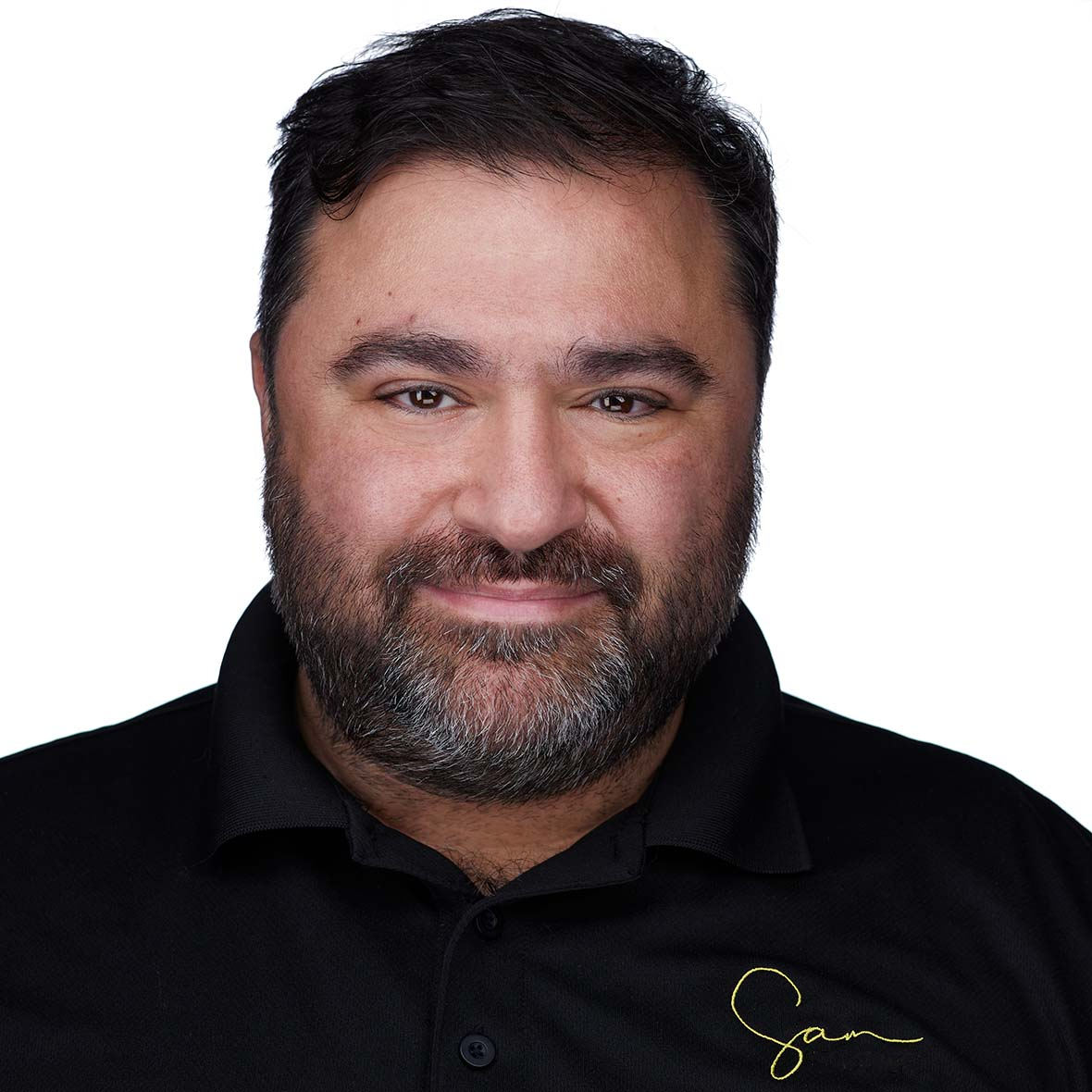
Sam Fatima Photos serves Long Beach as well as the broader Southern California market.
Long Beach hosts conferences, association meetings, corporate celebrations, conventions, trade shows, and executive gatherings throughout the year.
The Long Beach Convention & Entertainment Center’s event-planning resources show the wide range of indoor, outdoor, ballroom, theater, meeting, and exhibition spaces available on the campus.
Moreover, the facility contains more than 400,000 square feet of meeting and exhibit space and 34 meeting rooms.
That scale creates unique photography challenges.
A photographer may move from a small breakout session to a large exhibition floor within minutes.
Later, coverage might move outdoors for a reception.
Therefore, professional preparation matters.
Orange County and Anaheim Corporate Photography
Sam Fatima Photos also serves Orange County.
Anaheim, in particular, hosts major conferences and trade shows.
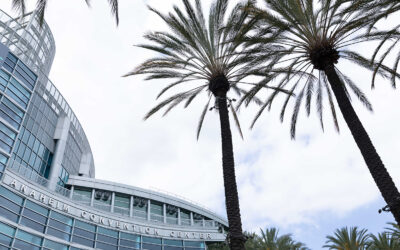
According to Visit Anaheim’s Anaheim Convention Center specifications, the facility includes more than one million square feet of flexible exhibit space.
Additionally, the convention center includes extensive meeting spaces, exhibition halls, plazas, and outdoor areas.
That means a corporate event photographer may need to cover significant distances.
Therefore, a detailed agenda becomes essential.
For organizers planning Anaheim conferences, Visit Anaheim also provides useful convention planner resources, including information about venue policies, parking, equipment specifications, and event planning.
Create a Shot List Before the Event
A corporate photography shot list should identify what cannot be missed.
However, it should not dictate every photograph.
Start with priorities such as:
-
CEO keynote
-
leadership portraits
-
panel discussions
-
award presentations
-
sponsor activations
-
important guests
-
exhibition booths
-
product demonstrations
-
group photographs
-
networking
-
audience reactions
-
company branding
-
venue details
-
professional headshots
Then allow the photographer to observe what happens naturally.
Some of the most memorable photographs cannot be planned.
Therefore, the ideal approach combines preparation with flexibility.
Professional Headshot Experience Adds Major Value
When choosing a Los Angeles corporate event photographer, professional headshot expertise can dramatically increase the value of the assignment.
Many corporate events gather executives and employees who rarely occupy the same physical location.
Consequently, the event creates an ideal opportunity to update company portraits.
Professional headshots can be photographed during:
-
conferences
-
annual meetings
-
sales meetings
-
leadership retreats
-
trade shows
-
conventions
-
association events
-
employee gatherings
Additionally, a headshot station can become an attendee benefit.
Professional Headshots Are Different From Event Candids
Event photography and professional headshot photography require overlapping but different skills.
During an event, photographers often observe without interrupting.
During a headshot session, the photographer must actively direct the subject.
Expression matters.
Posture matters.
Lighting matters.
Camera position matters.
Furthermore, people frequently arrive saying they hate having their picture taken.
A professional headshot photographer needs to overcome that discomfort quickly.
Therefore, companies should not assume that anyone carrying a professional camera can produce excellent headshots.
Why DIY Corporate Headshots Often Look Inconsistent
Smartphones can create impressive photographs.
However, convenience does not automatically produce visual consistency.
One employee may stand beside a window.
Another may take a selfie in a car.
Someone else might submit a photograph taken eight years ago.
Consequently, the company team page begins to look like photographs from unrelated businesses.
Professional headshot photographers control those variables.
They can standardize:
-
lighting
-
background
-
camera height
-
facial perspective
-
crop
-
image dimensions
-
color
-
posing
-
expression
-
retouching
As a result, employees appear to belong to one organization.
Consistency Matters for Growing Companies
Corporate teams change.
Employees join.
Executives move.
Therefore, an effective headshot program needs to be repeatable.
A professional photographer can document lighting, background, framing, and editing standards.
Consequently, new employees can be photographed later without forcing the entire organization to start over.
Professional Headshots Also Provide Authenticity
Corporate portraits should look professional without looking artificial.
The Johns Hopkins brand guidelines emphasize authentic people and authentic interactions in visual communications.
Similarly, professional headshot photography should present someone at their best while still allowing them to look recognizable.
Why This Is Better Than Low-Quality Alternatives
The goal is not to make employees look artificially perfect.
Instead, the goal is to create credible portraits.
Good lighting can flatter the face.
Careful posing improves posture.
Professional expression coaching helps someone appear confident and approachable.
Meanwhile, restrained retouching removes distractions without changing identity.
Therefore, hiring an experienced professional headshot photographer offers substantially more control than relying on casual employee submissions.
Discuss Image Delivery Before the Event
Corporate communications move quickly.
Consequently, the best photograph from a conference might be most valuable on the same day.
Your social media team may want keynote photographs before the next session begins.
Meanwhile, public relations staff may need executive images that evening.
Therefore, ask about turnaround before signing the contract.
Questions should include:
-
Are same-day images available?
-
Can selected photographs be delivered during the event?
-
When will the complete gallery arrive?
-
How many edited images are expected?
-
Are both web-resolution and high-resolution files included?
-
How will photographs be organized?
Adobe’s event photography guidance also recommends setting expectations about deliverables before the assignment and backing up photographs carefully afterward.
Professional workflow matters just as much as professional cameras.
Understand Copyright and Usage Rights
Corporate clients should clarify photography rights before the event.
Do not assume that paying for photography automatically transfers copyright ownership.
The U.S. Copyright Office’s photography resource explains that copyright generally exists from the moment an original photograph is created. It also explains how work-made-for-hire arrangements differ from ordinary photographer ownership.
Therefore, the contract should explain how your company can use the photographs.
Possible usage may include:
-
websites
-
organic social media
-
paid advertising
-
press releases
-
newsletters
-
printed materials
-
internal communications
-
sponsor distribution
-
trade publications
Your organization may not require copyright ownership.
However, you should have appropriate licensing for your intended uses.
Use a Written Photography Agreement
Professional assignments should be documented.
The Professional Photographers of America provides photography contract resources covering agreements and other important business considerations.
A corporate photography agreement should clearly address:
-
date and location
-
coverage hours
-
photographer responsibilities
-
client responsibilities
-
deliverables
-
turnaround
-
payment
-
cancellation
-
overtime
-
licensing
-
image usage
-
additional photographers
-
travel
-
rescheduling
Clear contracts reduce misunderstandings.
Moreover, they demonstrate professional business practices.
Ask Whether the Photographer Carries Insurance
Many professional venues and corporate clients require vendors to carry liability insurance.
Therefore, ask before booking.
Professional Photographers of America notes that general liability insurance can help protect photography businesses from certain claims involving injuries, property damage, and related situations during sessions or events. You can read its general liability insurance guide for photographers.
Some venues may also request a certificate of insurance.
Therefore, check the venue’s requirements early.
Backup Equipment Is Essential
Professional event photography needs redundancy.
Cameras are reliable, but any electronic equipment can fail.
Therefore, ask whether your photographer carries backup equipment.
A professional event photographer should typically plan for:
-
backup camera bodies
-
multiple lenses
-
additional flashes
-
extra batteries
-
multiple memory cards
-
redundant storage
-
image backups after the event
The client does not need to know every technical detail.
However, there should be a plan.
A keynote cannot be recreated because a camera stopped working.
Communication Is Part of Professionalism
Photography ability is important.
However, communication can determine whether an event assignment succeeds.
Notice how your photographer communicates before the booking.
Do they ask about the schedule?
Do they request VIP names?
Do they understand sponsors?
Do they ask where the photographs will be used?
Do they discuss deadlines?
Furthermore, do they respond professionally when plans change?
Corporate events are unpredictable.
A panel may run late.
An executive may arrive early.
A group photograph might suddenly include 40 people instead of ten.
Therefore, your photographer needs to remain calm and adapt.
Questions to Ask Before Hiring
Before choosing a Los Angeles corporate event photographer, ask:
How many corporate events do you photograph?
Relevant experience matters.
Have you worked at conferences and trade shows?
Large events require different logistics from small private events.
Can you photograph professional headshots?
This can add considerable value to corporate gatherings.
Do you provide same-day selects?
Fast delivery may be essential for marketing teams.
What usage rights are included?
Understand licensing before publishing the photographs.
Do you carry liability insurance?
Certain corporate clients and venues may require it.
Do you bring backup equipment?
Professional coverage should not depend on one camera.
How quickly is the complete gallery delivered?
Clarify turnaround before signing.
Can you provide an additional photographer?
Large conferences sometimes require multiple photographers.
How do you prepare for the event?
Strong photographers should want the agenda, important names, and priorities.
Red Flags to Watch For
Price should not be the only factor.
Instead, watch for signs that the photographer may not be prepared for corporate work.
Potential concerns include:
-
no corporate portfolio
-
unclear turnaround
-
vague deliverables
-
no written agreement
-
no backup equipment
-
unclear licensing
-
poor communication
-
inconsistent galleries
-
no experience photographing executives
-
no insurance when required
Additionally, be cautious when a photographer promises everything without asking questions.
A serious professional needs information before planning coverage.
Professional Photography Versus “Someone With a Camera”
Almost everyone carries a capable camera today.
However, professional event photography is not valuable simply because the photographer owns more expensive equipment.
The value lies in decisions.
When should the photographer move?
Which conversation is about to become a strong candid image?
Which speaker expression should be photographed?
Where should the photographer stand during an award presentation?
Should flash be used?
How should a large group be arranged?
Moreover, which photograph will your marketing director need tomorrow?
Equipment records the answer.
Experience recognizes the question.
Why Sam Fatima Photos for Corporate Event Photography
Sam Fatima Photos provides professional corporate event photography throughout Long Beach, LA County, and Orange County.
Coverage can include:
-
corporate events
-
conferences
-
conventions
-
executive meetings
-
networking events
-
trade shows
-
award ceremonies
-
company celebrations
-
speaker events
-
leadership portraits
-
professional headshots
-
group photography
-
sponsor activations
Because professional headshot photography is also a major part of the service, companies can combine event coverage with executive portraits, employee headshots, or high-volume attendee headshots.
Therefore, one photography assignment can serve multiple business needs.
The objective is not simply to deliver hundreds of photographs.
Instead, the objective is to create useful visual assets.
Hire Your Corporate Event Photographer Early
The best time to hire a Los Angeles corporate event photographer is before photography becomes an emergency.
Early planning allows time to discuss:
-
venue logistics
-
schedules
-
branding
-
executives
-
sponsors
-
headshots
-
shot priorities
-
licensing
-
turnaround
-
social media needs
Furthermore, planning allows the photographer to anticipate important moments.
Your organization may have spent months organizing the event.
Speakers prepared presentations.
Sponsors invested money.
Employees traveled.
Guests changed their schedules to attend.
Therefore, the photography should receive the same level of professional preparation.
Whether you need a Los Angeles corporate event photographer, corporate event photography in Long Beach, conference photography in LA County, or an Orange County corporate photographer, Sam Fatima Photos can help create images that remain valuable long after the room has emptied.
Contact Sam Fatima Photos to discuss professional event photography, conference coverage, corporate portraits, or professional headshots for your next event in Long Beach, Los Angeles County, or Orange County.
Your event may last one day.
However, professionally created photographs can continue telling its story for years.