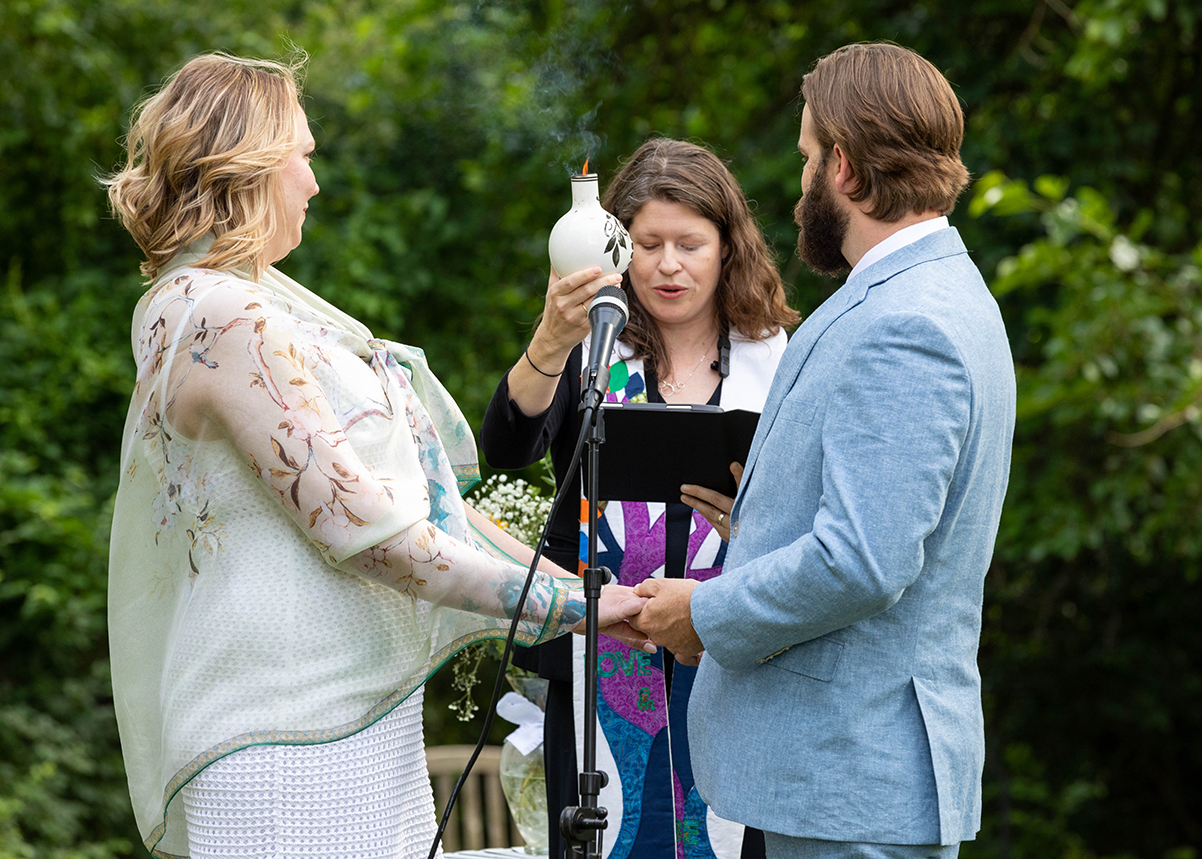
If you’ve scrolled wedding galleries lately, you’ve probably noticed a shift: fewer stiff poses, more real emotion. Couples are increasingly asking for documentary-style (also called photojournalistic) wedding photography—images that feel like a true-to-life story rather than a curated photoshoot. In Long Beach and across L.A. County, this approach makes particular sense: oceanside breezes, sun-splashed venues, and multicultural celebrations are full of fleeting moments that deserve to be captured as they naturally unfold.
Before we dig into why this style is surging, a quick definition helps. Documentary-style wedding photography prioritizes candid, unscripted moments with minimal direction; the photographer quietly observes, anticipates, and composes as the day unfolds. In other words, the goal is to tell the story—not stage it. Both The Knot’s guide to photography styles and Brides’ comprehensive overview describe “photojournalistic” and “documentary” as nearly synonymous, emphasizing candid, heartfelt moments over formal posing.
1) Authenticity is the new luxury
Today’s couples—especially Gen Z and younger millennials—prioritize experiences that feel honest over images that look over-produced. They want to remember how the day felt: the quiver in a parent’s smile, the roar when your best friend nails their toast, the spontaneous group hug at blue hour. Major outlets are seeing this preference play out in broader wedding trends. Editors at [The Knot] highlight documentary/photojournalistic imagery as one of the most popular looks now because it “tells the authentic story” of the day. Meanwhile, [Vogue] reports that Gen Z is actively shaking up wedding conventions, favoring unfiltered, genuine moments over polished perfection.
Furthermore, as Gen Z enters the aisle, vendors themselves note a willingness to trust creatives and embrace candid coverage—often alongside “content creators” who add real-time snippets without replacing professional photography. [Brides] recently captured this shift, spotlighting how younger couples are leaning into personalization and instant, in-the-moment visuals.
2) Trends now reward the “in-between” moments
Beyond style preference, the macro trends of the last two seasons reward a documentary eye. Editors have documented a wave of “perfectly imperfect” aesthetics—blurred motion frames, paparazzi-style candids, and true-to-color edits that convey energy rather than perfection. When respected publishers like [The Knot] and [Brides] highlight documentary-leaning aesthetics and motion blur as hot or enduring trends, it signals a durable shift rather than a passing fad.
In the same vein, Pinterest-inspired nostalgia (think film stocks and Super 8) dovetails with candid storytelling. Couples love the visceral feel of grain, the way direct flash freezes a laugh mid-sparkle, and the vibe of behind-the-scenes moments. Editors point out how documentary coverage complements those choices by prioritizing mood and memory. BridesThe Knot
3) Documentary coverage stretches your investment
Another reason this style is rising: value. While couples still book portraits and family formals, they increasingly want more of the day documented as it happens. That’s logical when you consider photography’s share of the overall budget. According to [Forbes Advisor], couples should expect a professional wedding photographer to cost roughly $3,500 to $6,000 in 2024 (with location and experience driving price). If you’re allocating that investment, coverage that preserves dozens of unscripted micro-memories—rather than mostly posed setups—often feels like a better return. Forbes
For additional context, [The Knot’s Real Weddings study] pegs the average price for a photographer at around $2,900 (varying by region), which reinforces why couples want imagery that truly tells their story. Accordingly, even when budgets rise or fall, the hunger for candid storytelling stays steady because it yields the most emotionally rich images for the spend. The Knot
4) It plays beautifully with modern wedding choices
Documentary-style coverage also aligns with how people are actually planning. More backyard soirées, inventive venues, and guest-centric weekends mean a “fly on the wall” storyteller can catch the vibe across multiple touchpoints—welcome party, late-night tacos, morning-after hugs. Publications like [Brides] describe modern weddings as relaxed yet chic, with photography “leaning toward raw and documentary styles,” precisely because these celebrations prioritize individuality and atmosphere.
Moreover, Long Beach couples often choose oceanfront venues, rooftop terraces with Pacific views, and diverse cultural traditions that unfold organically. A documentary approach avoids interrupting those rhythms; it honors them. Consequently, the album feels like a film strip of human moments: wind in the veil near Alamitos Beach, a spontaneous dabke circle in Bixby Knolls, or a teary parent at sunset in Shoreline Village.
5) It complements—rather than replaces—portraits
One misconception is that documentary equals “no portraits.” Not so. Most photographers blend a concise set of guided family formals and couple portraits with largely candid coverage. As [The Knot’s style guide] notes, great photojournalists still choose flattering angles and light; they simply intervene less often. The result is a gallery with timeless heirlooms and living, breathing moments.
Still want editorial flair? Brief creative sessions during blue hour or after-dark can coexist with an otherwise candid day. Because the primary approach is storytelling, even those portraits feel connected to the overall narrative rather than isolated.
6) Guests (and couples) feel more at ease
Another driver of popularity is comfort. Plenty of people dislike being photographed; a documentary approach reduces pressure and avoids the constant “stand here, chin up, now smile” loop. As a Wedgewood Weddings photographer explained in a recent spotlight Q&A, many pros describe their approach as “lifestyle photojournalistic”—a balance of customer service and candid art, where clients feel cared for and unobtrusive coverage lets real emotion surface.
Additionally, when your photographer blends into the background, they can anticipate laughter building in the corner of the dance floor or a quiet exchange by a grandparent—moments you’d never stage. Therefore, you get a fuller, truer record of the day.
7) It withstands time (and trends)
Fads fade; feelings linger. Documentary images hold up because they’re rooted in truth. Couples consistently cite the photos they feel over the ones that look technically perfect but emotionally hollow. Industry guides—from Brides’ style overview to The Knot’s trend coverage echo this idea: galleries that prioritize storytelling and authentic moments age gracefully.
Even as eye-catching trends like “intentional blur” or direct-flash portraits come and go, the foundation remains: real connection. Documentary coverage captures that, then gives you an heirloom that feels like you—today, in five years, and when you’re showing your album to future generations.
8) It pairs with the “instant content” era without sacrificing quality
Let’s address the “wedding content creator” phenomenon. Many couples now hire a creator to deliver phone-ready clips within hours. That can coexist beautifully with professional documentary photography. Publications such as [The Times (UK)] and [Brides] have both noted this rise—proof that couples want immediacy for social plus archival quality for legacy. The pro’s job is to coordinate respectfully so each storyteller can shine without stepping on toes.
In practice, that means your photographer still quietly tells the big-picture story, while a creator collects TikTok-friendly snippets. Ultimately, you enjoy the best of both: candid art now and forever, and snackable moments you can share tomorrow morning.
9) How to brief your photographer (so your gallery feels like you)
Because documentary coverage centers your lived experience, clear communication matters. Use these pointers to set the stage:
-
Share your “must-feel” moments. Instead of only listing “must-have” shots, explain the vibes that matter (e.g., “laid-back seaside joy,” “intergenerational hugs,” “wild dance circle near the DJ booth”).
-
Build room for real life. A streamlined timeline with buffers lets events unfold without rushing; consequently, your photographer can chase authentic moments instead of chasing the clock.
-
Request micro-portraits—briefly. Ten minutes at golden or blue hour in Long Beach can yield gorgeous couple portraits without derailing the party.
-
Loop in your content creator (if applicable). Encourage collaboration so each pro covers different angles while staying out of one another’s frames.
-
Ask to see a full wedding gallery. Good photojournalists welcome this, since storytelling strength shows across an entire day, not just highlight reels.
10) Why this matters for Long Beach & L.A. County couples
Finally, the coastal light, the eclectic venues, and the cultural richness of Southern California produce weddings that move. Documentary-style coverage honors that movement. It trades stiff staging for the truth: radiant summer haze over Ceremony Long Beach, a mariachi surprise at a Naples Island courtyard, grandmothers clasping hands during a bilingual toast. Those aren’t moments you pose; they’re moments you preserve.
If you want wedding photos that still make your chest tighten 10 years from now, documentary-style coverage is the surest path. It’s popular because it’s personal. It’s trendy because it’s timeless. And for couples in Long Beach, it’s a natural fit for the way your day will actually unfold.